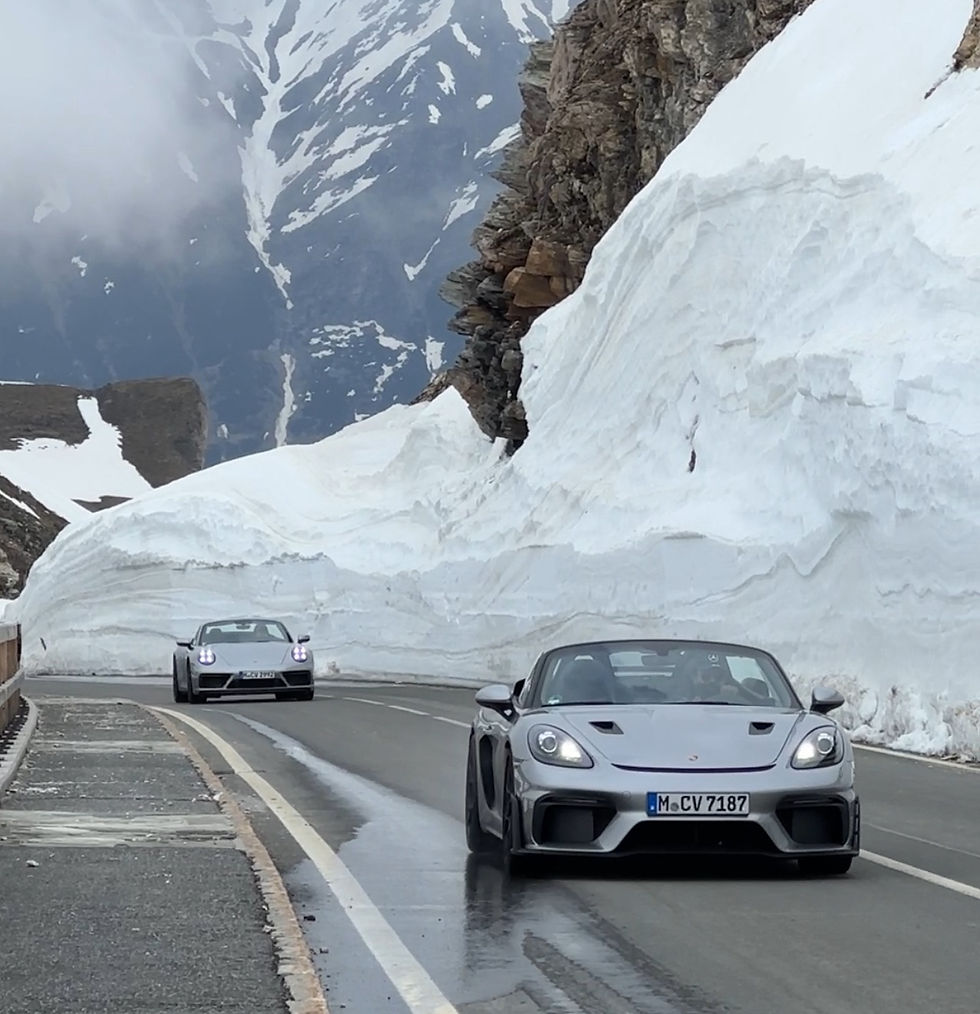
HAHNTENNJOCH PASS, AUSTRIA – HIDDEN ALPINE GEM
The Hahntennjoch Pass 🇦🇹 is one of the Austrian Alps’ best-kept driving secrets — a dramatic 29-kilometre high mountain road linking the upper Inn Valley near Imst with the wild Lechtal region.
Positioned between Tyrol, Vorarlberg, and Bavaria — not far from Germany’s iconic Neuschwanstein Castle — the pass often slips under the radar of international visitors. Many drivers unknowingly bypass it while travelling between major alpine destinations, missing a road that delivers constant scenery, superb engineering, and an authentic “locals-only” atmosphere.
Unlike headline passes crowded with tour buses, Hahntennjoch feels raw and undiscovered. The drive evolves from wooded pine forests into barren rock landscapes and open alpine meadows, creating a sense of progression that feels almost cinematic behind the wheel.

Scenic: ★★★★☆
Thrilling: ★★★☆☆
THE DRIVING CHARACTER — WHAT MAKES HAHNTENNJOCH SPECIAL
The appeal of the Hahntennjoch isn’t a single viewpoint or famous landmark. It’s the rhythm.
Before the true climb begins, a sequence of sweeping cambered bends builds momentum and sets the tone for what follows. As elevation increases, tighter switchbacks and exposed rock sections add drama without ever feeling overwhelming.
Highlights of the drive include:
A two-kilometre stretch carved directly into the mountain rock
Rapid transitions between forest, barren alpine terrain, and open valleys
Smooth, high-quality Austrian road surfaces that reward precise driving
Long sightlines combined with technical corners that keep the experience engaging
At 1,894 metres (6,214 ft), the summit reveals a rugged alpine landscape with expansive views — yet notably no large restaurants or commercial structures. This lack of development preserves the wild character that makes the pass feel authentic.

A LOCAL’S ROAD — WHY IT STAYS QUIET
One reason the Hahntennjoch remains relatively empty is simple: it’s still primarily used by locals and German-speaking travellers who are comfortable navigating Austrian signage and mountain conditions. Others choose easier valley routes to connect the Inn Valley with the Lechtal — unknowingly skipping one of the most rewarding driving sections in the region.
SCENERY & FLOW ALONG THE ROUTE
The north side begins among tall coniferous forests, where the road flows through wide bends before tightening into a series of switchbacks. As altitude increases, vegetation fades and the landscape becomes more lunar — dominated by exposed rock, sharp peaks, and dramatic alpine silence.
Near the summit, the scenery opens into green alpine meadows framed by rugged mountain ridges. A large parking area invites a short pause to take in the surroundings before descending toward the Lechtal valley. Further down, the atmosphere softens again:
Traditional Austrian villages
Quiet valley roads
Small roadside restaurants perfect for a relaxed lunch stop
This constant change in landscape is what gives the pass its emotional rhythm — never repetitive, always evolving.
ROAD QUALITY, SPEED & SAFETY
The Hahntennjoch is thrilling but demands respect. Austrian engineering ensures excellent road quality, yet the mountain environment remains unpredictable. Key driving notes:
Speed limits typically around 60 km/h, though many sections naturally encourage a slower pace
Watch for cattle grids at entry points, summit areas, and valley exits
Heavy rain can trigger Muren — alpine mud and rockslides
Since 2004, an automated safety system can close the road in case of avalanches or debris flows
Large gravel piles and protective rock barriers along the route are visible reminders of the forces shaping this landscape — part of the authenticity that makes the pass feel alive.
HISTORY OF THE HAHNTENNJOCH PASS
Construction of the modern road took place between 1948 and 1969, transforming a simple gravel track into a fully paved alpine route. Remarkably, the project was completed by a very small construction team working in challenging mountain terrain. Over time, the pass evolved from a practical connection between valleys into a scenic route valued primarily by tourism and driving enthusiasts.
Unlike many famous Alpine passes, Hahntennjoch never became a major commercial transit road — which is precisely why its character remains so untouched today.
WHEN TO DRIVE — OPENING SEASON
The Hahntennjoch Pass is typically open from late May until late October, depending on snow conditions and weather. Winter closures are common due to avalanche risk and alpine hazards, and drivers should always check current road status before travelling.
WHAT THE DRIVE FEELS LIKE
Hahntennjoch isn’t about chasing records or conquering an icon — it’s about discovering something unexpected. It feels:
Rawer than the Stelvio
Quieter than the Timmelsjoch
More technical than most Tyrolean valley roads
And refreshingly authentic compared to heavily touristed alpine routes
IN SUMMARY
If you’re looking for:
A lesser-known Austrian high-alpine road
Dramatic scenery without heavy crowds
Constant driving rhythm and changing landscapes
A pass that feels like a local discovery rather than a tourist stop
…the Hahntennjoch Pass is one of the most rewarding hidden gems in the entire Alpine region.