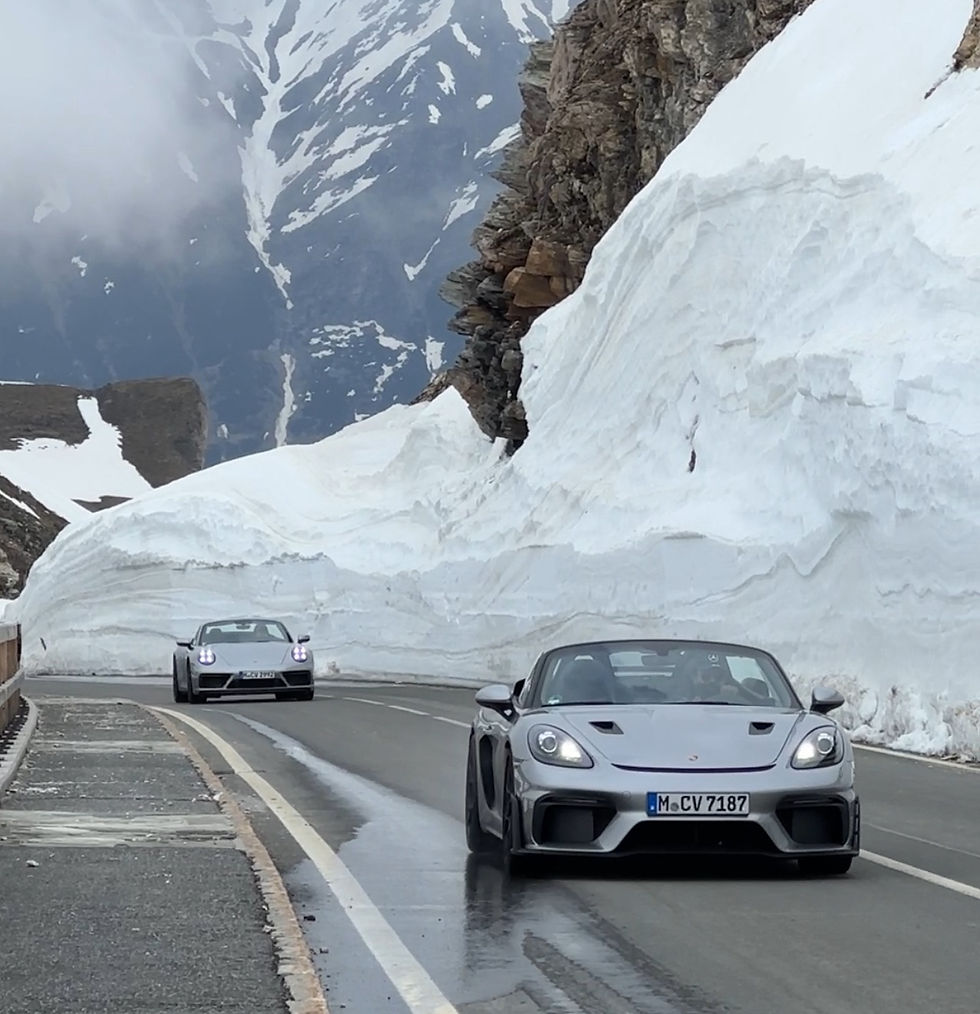
SUSTEN PASS, SWITZERLAND – AN EPIC HIGH-ALPINE SCENIC DRIVE
The Susten Pass (Sustenpass) is a high-alpine mountain road in central Switzerland, connecting Wassen in the canton of Uri with Innertkirchen in the canton of Bern. Rising to 2,260 metres (7,414 ft) above sea level, it combines wide, flowing curves with glacier views, open alpine landscapes, and striking mountain scenery.
Often described as one of the most scenic alpine passes in the Alps, the Susten Pass stands out for its balance: dramatic yet elegant, immersive without feeling extreme, and visually rewarding from start to finish.

Scenic: ★★★★★
Thrilling: ★★★★☆
DRIVING THE SUSTEN PASS
The Susten Pass is one of the few major alpine roads originally designed for motor vehicles, rather than adapted from historic mule tracks. Construction began in 1938 and, despite wartime interruptions, the road officially opened in 1946.
From Wassen, the eastern ascent climbs steadily through narrow valleys, rock faces, and alpine forests before opening into expansive high-mountain scenery. On the western side, the road descends toward Innertkirchen in long, flowing bends with uninterrupted views across glaciers and peaks.
A defining feature of the Susten Pass is its 300-metre summit tunnel, which pierces the ridgeline near the highest point of the route and marks the transition between the cantons of Uri and Bern.
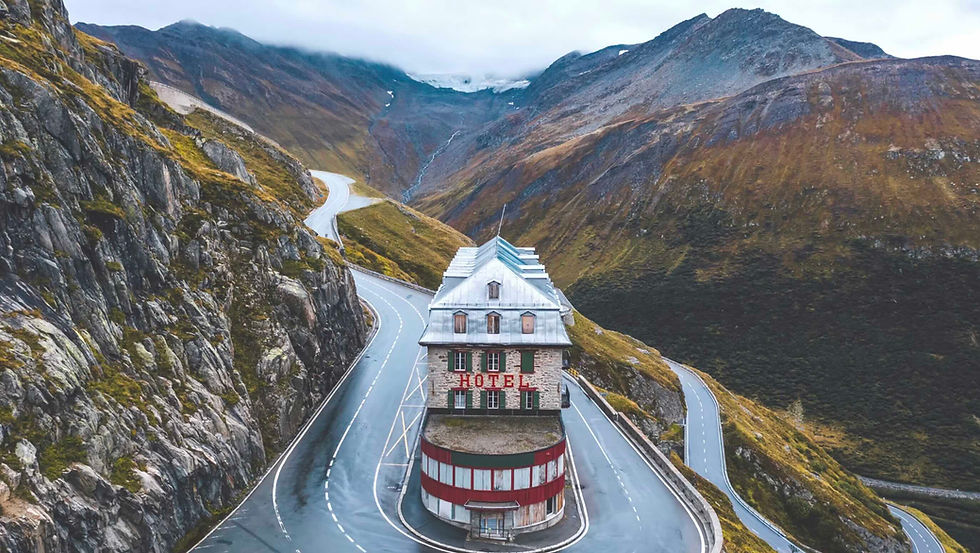
WHAT TO EXPECT FROM THE SUSTEN PASS
The Susten Pass is widely praised for its road design and visual openness. Wide lanes, excellent surface quality, and a natural rhythm of bends make it especially enjoyable in modern performance cars. Expect:
Long, flowing curves rather than tight hairpins
Frequent pull-offs and viewpoints
Expansive sightlines across valleys and glaciers
A rare sense of space for a high-alpine pass
The Stein Glacier and surrounding peaks dominate the upper sections of the road, while waterfalls, alpine meadows, and exposed rock formations add variety throughout the climb. This combination is why the Susten Pass frequently appears in discussions about the most scenic alpine drives in Switzerland.
HIGHLIGHTS ALONG THE ROUTE
Stein Glacier views near the summit
Susten Summit Tunnel connecting Uri and explained
Multiple panoramic viewpoints with parking
Wide, photogenic road sections with open exposure
Unlike more technical or congested passes, the Susten offers a rare sense of continuity — scenery unfolds gradually, without constant interruption.
HISTORY OF THE SUSTEN PASS
Although the Susten region was known and traversed for centuries, it was never a major commercial crossing. Its transformation into a modern alpine road began in the late 1930s, driven by a desire to improve regional connectivity and tourism.
Construction started in 1938, paused during World War II, and resumed shortly after. The road officially opened on 7 September 1946, a date commemorated by a plaque near the summit.
Today, the Susten Pass is classified as a road of national importance in Switzerland and remains one of the country’s finest examples of mid-20th-century alpine engineering.
OUR VERDICT ABOUT THE SUSTEN PASS
For pure scenery, the Susten Pass consistently stands out. Among EPIKDRIVES and many of our returning clients, it is often regarded as the most scenic alpine pass — not because of extremes, but because of its harmony.
Glaciers, open landscapes, wide flowing roads, and ever-changing light combine to create a drive that feels effortlessly rewarding from start to finish.
No great alpine pass exists in isolation.Roads like this are best experienced as part of a wider journey, combined with other iconic alpine passes in the region. When planned well, flowing roads, quieter climbs, and changing landscapes come together to create a far more rewarding driving experience than any single pass on its own.
THE SWISS ALPS “BIG THREE”
The Susten Pass is most famously driven together with the nearby Furka Pass and Grimsel Pass, forming Switzerland’s legendary “Big Three” alpine driving loop. Combined, these three passes deliver one of the most scenic and rewarding high-alpine routes in Europe — balancing glaciers, flowing road design, and dramatic mountain scenery.